
FRP (Fiber-Reinforced Plastic) Sheet
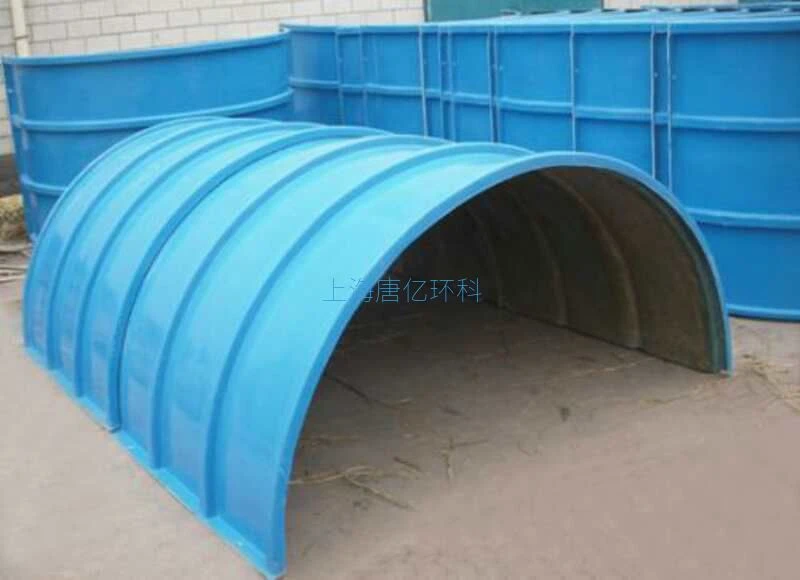
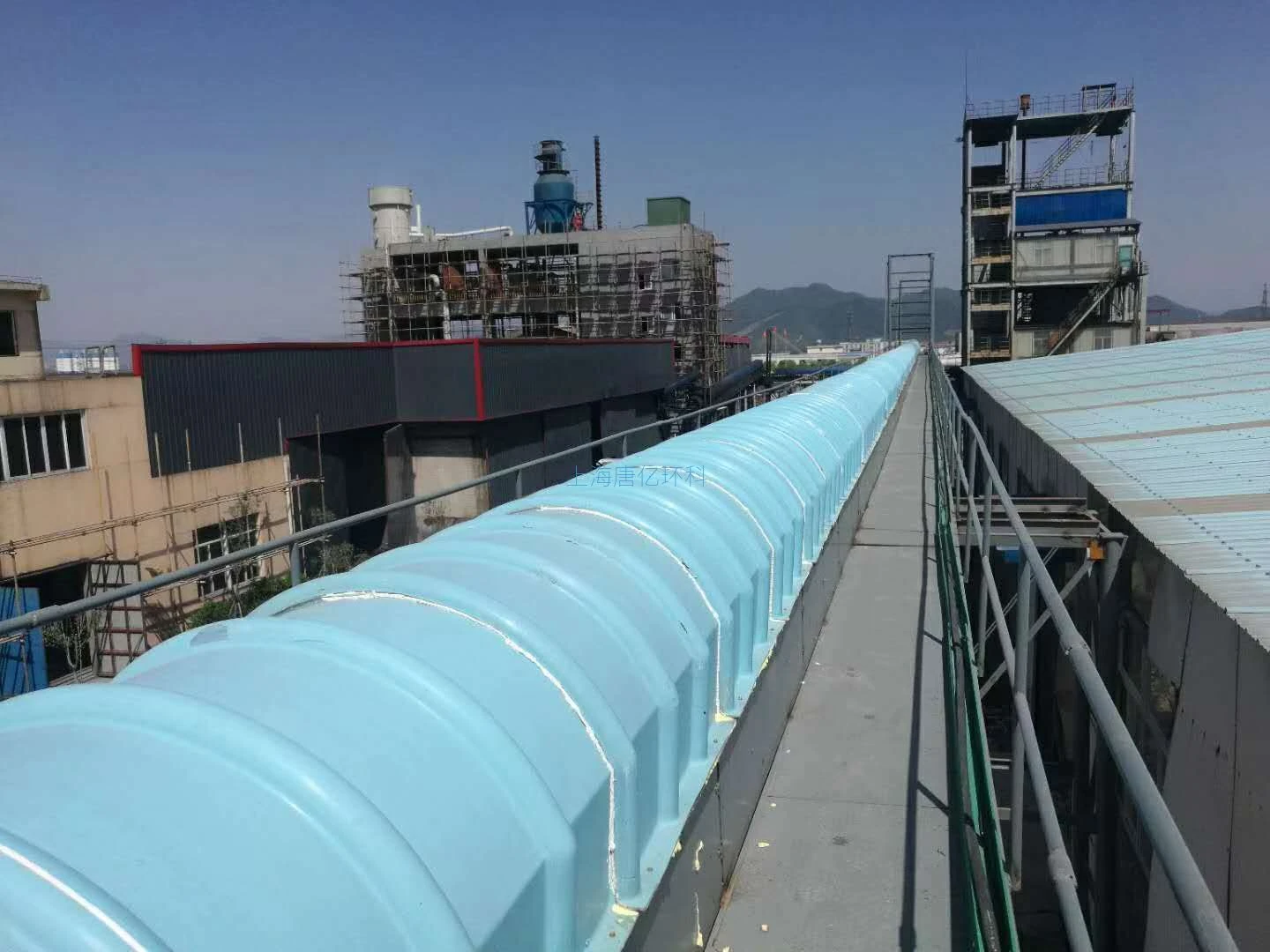
FRP (Fiber-Reinforced Plastic) Sheets
Introduction to FRP Materials
Technical Name: FRP (Fiber-Reinforced Plastic)
Simply put, FRP is a composite material formed by combining glass fibers and resin—essentially a “plastic version of steel.” It is lightweight, possesses high strength, and is corrosion-resistant, making it suitable for an extremely wide range of applications. I. Basic Composition
Reinforcement Materials: Glass Fiber (Cloth / Yarn / Mat) — Provides strength and toughness.
Matrix Materials: Resin (Epoxy / Unsaturated Polyester / Vinyl Ester) — Facilitates molding, corrosion resistance, and bonding.
Auxiliaries: Curing agents, accelerators, color pastes, fillers, etc.
II. Core Advantages
Lightweight and High Strength
Density is only 1/4 to 1/5 that of steel.
Specific strength (strength-to-weight ratio) is higher than that of ordinary steel.
Superior Corrosion Resistance
Resistant to acids, alkalis, salts, seawater, humidity, and industrial exhaust gases.
Does not rust, rot, or conduct electricity.
Insulating, Heat-Resistant, and Non-Magnetic
Possesses excellent electrical insulation properties, making it suitable for power equipment.
Non-magnetic nature allows for use in radomes and precision instrument enclosures.
Highly Designable
Can be fabricated into any shape or color.
Can be produced as flat panels, corrugated sheets, custom-shaped housings, pipes, or storage tanks.
Moderate Cost and Easy Maintenance
Significantly less expensive than stainless steel or special alloys.
Damage can be repaired on-site.
III. Disadvantages
Limited High-Temperature Resistance
The long-term service temperature for standard resins is typically ≤ 60–80°C.
High temperatures can cause softening and deformation.
Lower Hardness Compared to Metals
The surface is prone to scratching, and abrasion resistance is generally moderate.
Load-bearing structures are less rigid and stable than those made of steel.
Service life is dependent on the quality of the resin used.
Inferior resins are prone to aging, fading, and becoming brittle.
Prolonged outdoor exposure can lead to surface chalking (requiring the addition of a UV-resistant layer).
Non-recyclable; structural repair strength is limited.
IV. Common Applications
Architecture: Skylight panels, corrosion-resistant roofing tiles, hoardings/barriers, decorative elements.
Environmental & Chemical Industries: Corrosion-resistant storage tanks, piping, ventilation fans, purification towers.
Transportation: RV shells, yachts, speedboats, electric vehicle bodies.
Municipal Infrastructure: Septic tanks, inspection manholes, guardrails.
Equipment: Fan shrouds, equipment enclosures, workbenches, cooling towers.
Outdoor Settings: Sculptures, signage, playground equipment.
V. Simple Comparison with Metals and Plastics
Material Weight Corrosion Resistance Strength Price
FRP (Fiberglass) Light Excellent High Moderate
Carbon Steel Heavy Poor High Low
Stainless Steel Moderately Heavy Good High High
Standard Plastics Lightweight Moderate Low Low