
WELCOME TO SHTYHK
HIGH-QUALITY
PRODUCTION
EQUIPMENT
It is a comprehensive company integrating design. production.and sales. specializing in
the manufacturing of environmentalprotective covers for conveyor equipment such as
rain coversfor conveyors and dust covers for belt conveyors.
WELCOME TO SHTYHK
HIGH-QUALITY
PRODUCTION
EQUIPMENT
It is a comprehensive company integrating design. production.and sales. specializing in
the manufacturing of environmentalprotective covers for conveyor equipment such as
rain coversfor conveyors and dust covers for belt conveyors.
WELCOME TO SHTYHK
HIGH-QUALITY
PRODUCTION
EQUIPMENT
It is a comprehensive company integrating design. production.and sales. specializing in
the manufacturing of environmentalprotective covers for conveyor equipment such as
rain coversfor conveyors and dust covers for belt conveyors.
WELCOME TO SHTYHK
HIGH-QUALITY
PRODUCTION
EQUIPMENT
It is a comprehensive company integrating design. production.and sales. specializing in
the manufacturing of environmentalprotective covers for conveyor equipment such as
rain coversfor conveyors and dust covers for belt conveyors.
WELCOME TO SHTYHK
HIGH-QUALITY
PRODUCTION
EQUIPMENT
It is a comprehensive company integrating design. production.and sales. specializing in
the manufacturing of environmentalprotective covers for conveyor equipment such as
rain coversfor conveyors and dust covers for belt conveyors.
WELCOME TO SHTYHK
HIGH-QUALITY
PRODUCTION
EQUIPMENT
It is a comprehensive company integrating design. production.and sales. specializing in
the manufacturing of environmentalprotective covers for conveyor equipment such as
rain coversfor conveyors and dust covers for belt conveyors.
PRODUCTS AND SERVICES
A comprehensive company integrating design. production. and sales

Aluminum-Magnesium-Manganese Alloy Sheet

Color-Coated Steel Sheet
Pre-painted Galvanized Steel (PPGI) is a composite metal sheet produced by continuously roll-coating an organic finish onto the surface of hot-dip galvanized steel—following chemical pretreatment—and subsequently curing it at high temperatures. It combines the structural strength of steel, the corrosion resistance of a zinc coating, and the aesthetic appeal and weather resistance of an organic finish. Consequently, it is currently the most widely utilized pre-coated metal material across the construction, home appliance, and transportation sectors. I. Basic Structure (Five-Layer Composite)
From inner to outer:
Substrate: Cold-rolled steel sheet (Q195, DX51D, etc.)
Hot-dip Galvanized Layer: Pure zinc coating (sacrificial anode protection; the core anti-corrosion layer)
Chemical Conversion Layer: Passivation film (enhances coating adhesion; prevents “white rust” on the zinc layer)
Primer: Epoxy / Polyester (enhances anti-corrosion properties and interlayer bonding)
Topcoat + Backcoat: Polyester, Silicon-Modified Polyester, PVDF, etc. (determines appearance, weather resistance, and corrosion resistance)
II. Core Performance Features
Dual Anti-Corrosion Protection: Zinc layer (cathodic protection) + organic coating (barrier isolation); offers a service life 50% to 100% longer than ordinary galvanized sheets.
Strong Weather Resistance: Resistant to UV radiation and aging; highly resistant to chalking and discoloration.
Rich Color Options: Standard colors (off-white, sea blue, brick red), custom colors, and special effects such as wood grain or stone patterns.
Excellent Processability: Can be cold-bent, stamped, cut, and lock-seamed without easily chipping or peeling.
Lightweight and High-Strength: Low self-weight allows for rapid construction; serves as an ideal substitute for wood or brick.
Economical and Eco-Friendly: Requires no post-installation painting; offers low maintenance costs and is fully recyclable.
III. Key Specifications and Parameters
Substrate: Hot-dip Galvanized Steel (Code: Z)
Zinc Coating Weight (Double-sided, g/m²):
Standard Grade: 120–180 g/m²
Exterior Architectural Grade: 180–275 g/m²
Thickness: 0.3–2.0 mm (Commonly 0.4–0.8 mm)
Width: 900–1550 mm (Commonly 1000 / 1200 mm)
Coating Type (by Weather Resistance Grade):
PE (Polyester): General-purpose grade; suitable for indoor or standard outdoor applications.
SMP (Silicon-Modified Polyester): Medium-to-high weather resistance; suitable for industrial buildings.
HDP (High-Durability Polyester): Strong weather resistance; suitable for coastal or industrial zones.
PVDF (Fluorocarbon): Ultra-high weather resistance (20–30 years); suitable for high-end architecture and curtain walls.
IV. Production Process Flow
Uncoiling → 2. Pre-treatment (Degreasing → Water Rinsing → Passivation → Drying)
Coating (Primer Roll Coating → Baking → Cooling → Topcoat Roll Coating → Secondary Baking)
Post-treatment (Film Lamination, Quality Inspection, Coiling)

Hot-Dip Galvanized, Aluminum-Zinc Coated, and Zinc-Aluminum-Magnesium Coated Steel Sheets
Hot-Dip Galvanized, Galvalume (Al-Zn), and Zinc-Aluminum-Magnesium Steel Sheets
Hot-Dip Galvanized (GI), Galvalume (GL), and Zinc-Aluminum-Magnesium (ZAM) represent the current mainstream hot-dip anti-corrosion steel sheets. Their core difference lies in the composition of their coatings, which determines their corrosion resistance, self-healing capabilities, cost, and applicable scenarios.
I. Core Introduction to the Three Types of Steel Sheets
1. Hot-Dip Galvanized Steel Sheet (GI, Pure Zinc Coating)
Coating Composition: Pure zinc (Zn ≥ 99.9%), applied via a hot-dip process.
Appearance: Silvery-white; features large, coarse zinc spangles; prone to developing “white rust.”
Anti-Corrosion Principle: Zinc acts as a sacrificial anode to protect the steel sheet; corrosion is delayed through the gradual consumption of the zinc layer.
Core Performance
Corrosion Resistance: Withstands approximately 500–1000 hours in salt spray tests; expected service life in standard environments is 5–10 years.
Processing: Exhibits good ductility, is easy to weld, and offers the lowest cost among the three.
Disadvantages: Cut edges and scratches are prone to rusting; lacks self-healing properties; has a shorter service life in humid or salt-spray environments.
Applicable Scenarios: Dry indoor environments, short-term outdoor applications, general construction, internal components of home appliances, and projects with limited budgets.
For outdoor use, a zinc coating weight of ≥ 200 g/m² is recommended.
2. Galvalume Steel Sheet (GL, 55% Aluminum-Zinc Alloy)
Coating Composition: 55% Aluminum + 43.5% Zinc + 1.5% Silicon, applied via hot-dip process.
Appearance: Light silvery-gray; features fine, uniform zinc spangles; possesses a soft, matte luster.
Anti-Corrosion Principle: Aluminum forms a dense oxide film that acts as a barrier against corrosion, while zinc provides a secondary layer of protection through sacrificial anodization.
Core Performance
Corrosion Resistance: Withstands 2000–3000 hours in salt spray tests (2 to 6 times longer than hot-dip galvanized steel); expected service life in standard environments is 15–30 years.
High-Temperature Resistance: Capable of withstanding temperatures up to 315°C; demonstrates strong resistance to atmospheric corrosion and humidity.
Disadvantages: Offers weak protection at cut edges; weldability is average; exhibits poor resistance to alkaline substances.
Applicable Scenarios: General outdoor construction, industrial plant buildings, home appliance casings, and general industrial environments.
For outdoor use, a zinc coating weight of ≥ 200 g/m² is recommended. 3. Zinc-Aluminum-Magnesium Coated Steel (ZAM; Ternary Zn-Al-Mg Alloy)
Coating Composition: Mainstream 91% Zinc + 6% Aluminum + 3% Magnesium (High-magnesium versions contain 5%–6% Mg); utilizes an upgraded hot-dip coating process.
Appearance: Matte silver-gray finish with no visible spangles (zinc crystals), offering a premium aesthetic.
Corrosion Protection Mechanism: Combines zinc’s sacrificial anode effect, aluminum’s barrier effect, and magnesium’s role in promoting the formation of a dense, composite passivation film; features self-healing capabilities for cut edges and scratches.
Core Performance
Corrosion Resistance: Withstands 5,000–8,000 hours in salt spray testing—5 to 20 times the resistance of standard hot-dip galvanized steel—offering a service life of 25+ years in harsh environments.
Self-Healing: Automatically forms a protective film at cut edges or damaged areas, preventing the spread of rust and corrosion.
Processability: Resists cracking during bending or stamping; exhibits strong coating adhesion and excellent weldability.
Disadvantages: Highest cost among the options.
Applicable Scenarios: Marine/coastal environments, areas with industrial pollution, high-humidity conditions, high-salt-spray environments, photovoltaic mounting systems, livestock farming facilities, and long-term maintenance-free engineering projects.
For outdoor applications, a zinc coating weight of ≥150 g/m² is recommended.
II. Core Performance Comparison (At a Glance)
Table
Comparison Item | Hot-Dip Galvanized (GI) | Galvalume (GL) | Zinc-Aluminum-Magnesium (ZAM)
Coating Composition | Pure Zinc (≥99.9%) | 55% Al + 43.5% Zn + 1.5% Si | 91% Zn + 6% Al + 3% Mg (Mainstream)
Salt Spray Lifetime | 500–1,000 hours | 2,000–3,000 hours | 5,000–8,000+ hours
Corrosion Resistance Factor | 1x | 2–6x | 5–20x
Self-Healing Capability | None | Weak | Strong (Self-healing at cut edges/scratches)
High-Temperature Resistance | 200°C | 315°C | 300°C
Weldability | Good | Fair | Good
Cost | Lowest | Medium | Highest
Typical Service Life | 5–10 years | 15–30 years | 25–40 years

Stainless Steel Plate
Stainless Steel Sheets
Grades 201 and 304 are currently the most widely used and common types of stainless steel sheets. The core differences between them boil down to just two points: rust resistance and price. Below, I will explain this to you in the most straightforward and practical manner possible. I. 201 Stainless Steel Sheet
Full Name: Cr-Mn-N Series Stainless Steel
Main Composition: 17% Chromium + Manganese, Nitrogen; contains almost no Nickel.
Appearance: Bright finish, but slightly darker and with a cooler white tone; visually, it is very difficult to distinguish from 304 with the naked eye.
Magnetism: Exhibits weak magnetism; a magnet will adhere slightly.
Characteristics
Advantages
Affordable price; significantly cheaper than 304.
High strength and high hardness.
Sufficiently robust for use in decorative applications and interior structural components.
Disadvantages
Poor rust resistance; prone to rusting quickly in humid, coastal, or acidic/alkaline environments.
Corrosion resistance is far inferior to that of 304.
Prone to developing yellow spots and rust specks.
Suitable Applications
Interior decoration, door frames, handrails.
Equipment casings and shelving in dry environments.
Standard furniture, advertising lettering, interior hardware.
Unsuitable for: Kitchens, outdoor use, coastal areas, or food contact applications.
II. 304 Stainless Steel Sheet
Standard Grade: 06Cr19Ni10 (National Standard) / AISI 304
Composition: 18% Chromium + 8% Nickel (Chromium-Nickel Stainless Steel)
Appearance: Bright and lustrous with a warm tone; offers a superior texture and finish.
Magnetism: Essentially non-magnetic; a magnet will not adhere, or adhesion will be extremely weak.
Characteristics
Advantages
Strong rust and corrosion resistance.
Suitable for both indoor and outdoor use; resistant to humidity as well as weak acids and bases.
Food-grade safe; suitable for contact with tableware and drinking water systems.
Long service life; highly resistant to rusting.
Disadvantages
Contains Nickel; significantly more expensive than 201.
Suitable Applications
Kitchen equipment, cookware, sinks.
Outdoor railings, awnings, outdoor signage.
Food processing machinery, drinking water equipment.
Chemical processing environments, humid areas, and mildly corrosive settings.
Coastal regions (subject to mild salt spray).
III. The Most Intuitive Comparison (At a Glance)
Comparison Table
Feature | 201 | 304
Rust Resistance | Poor; prone to rusting | Good; durable and rust-resistant
Nickel Content | Almost none | Contains 8% Nickel
Price | Affordable | Relatively expensive
Humidity Resistance | Poor | Good
Outdoor / Coastal Use | Not recommended | Recommended
Food Contact | Unsuitable | Safe for use
Magnetism | Weakly magnetic | Non-magnetic Slightly magnetic Essentially non-magnetic
IV. Simplest Identification Methods (No Instruments Required)
Check the Price: Expensive items are highly likely to be 304; inexpensive ones are almost certainly 201.
Magnet Test: If it attracts a magnet, it is 201; if it does not, it is 304 (for preliminary assessment only).
Environmental Testing:
Exposure to Outdoor Rain:
201: Will rust within a few days to a few weeks.
304: Will remain rust-free over the long term.
Professional Method: Use stainless steel testing solution (turns red upon application = 201; remains unchanged = 304).
V. How to Choose?
Indoor, dry environment; limited budget; no contact with water → Choose 201.
Kitchens, outdoors, coastal areas, food-related applications, or long-term use → Must choose 304.

FRP (Fiber-Reinforced Plastic) Sheet
FRP (Fiber-Reinforced Plastic) Sheets
Introduction to FRP Materials
Technical Name: FRP (Fiber-Reinforced Plastic)
Simply put, FRP is a composite material formed by combining glass fibers and resin—essentially a “plastic version of steel.” It is lightweight, possesses high strength, and is corrosion-resistant, making it suitable for an extremely wide range of applications. I. Basic Composition
Reinforcement Materials: Glass Fiber (Cloth / Yarn / Mat) — Provides strength and toughness.
Matrix Materials: Resin (Epoxy / Unsaturated Polyester / Vinyl Ester) — Facilitates molding, corrosion resistance, and bonding.
Auxiliaries: Curing agents, accelerators, color pastes, fillers, etc.
II. Core Advantages
Lightweight and High Strength
Density is only 1/4 to 1/5 that of steel.
Specific strength (strength-to-weight ratio) is higher than that of ordinary steel.
Superior Corrosion Resistance
Resistant to acids, alkalis, salts, seawater, humidity, and industrial exhaust gases.
Does not rust, rot, or conduct electricity.
Insulating, Heat-Resistant, and Non-Magnetic
Possesses excellent electrical insulation properties, making it suitable for power equipment.
Non-magnetic nature allows for use in radomes and precision instrument enclosures.
Highly Designable
Can be fabricated into any shape or color.
Can be produced as flat panels, corrugated sheets, custom-shaped housings, pipes, or storage tanks.
Moderate Cost and Easy Maintenance
Significantly less expensive than stainless steel or special alloys.
Damage can be repaired on-site.
III. Disadvantages
Limited High-Temperature Resistance
The long-term service temperature for standard resins is typically ≤ 60–80°C.
High temperatures can cause softening and deformation.
Lower Hardness Compared to Metals
The surface is prone to scratching, and abrasion resistance is generally moderate.
Load-bearing structures are less rigid and stable than those made of steel.
Service life is dependent on the quality of the resin used.
Inferior resins are prone to aging, fading, and becoming brittle.
Prolonged outdoor exposure can lead to surface chalking (requiring the addition of a UV-resistant layer).
Non-recyclable; structural repair strength is limited.
IV. Common Applications
Architecture: Skylight panels, corrosion-resistant roofing tiles, hoardings/barriers, decorative elements.
Environmental & Chemical Industries: Corrosion-resistant storage tanks, piping, ventilation fans, purification towers.
Transportation: RV shells, yachts, speedboats, electric vehicle bodies.
Municipal Infrastructure: Septic tanks, inspection manholes, guardrails.
Equipment: Fan shrouds, equipment enclosures, workbenches, cooling towers.
Outdoor Settings: Sculptures, signage, playground equipment.
V. Simple Comparison with Metals and Plastics
Material Weight Corrosion Resistance Strength Price
FRP (Fiberglass) Light Excellent High Moderate
Carbon Steel Heavy Poor High Low
Stainless Steel Moderately Heavy Good High High
Standard Plastics Lightweight Moderate Low Low
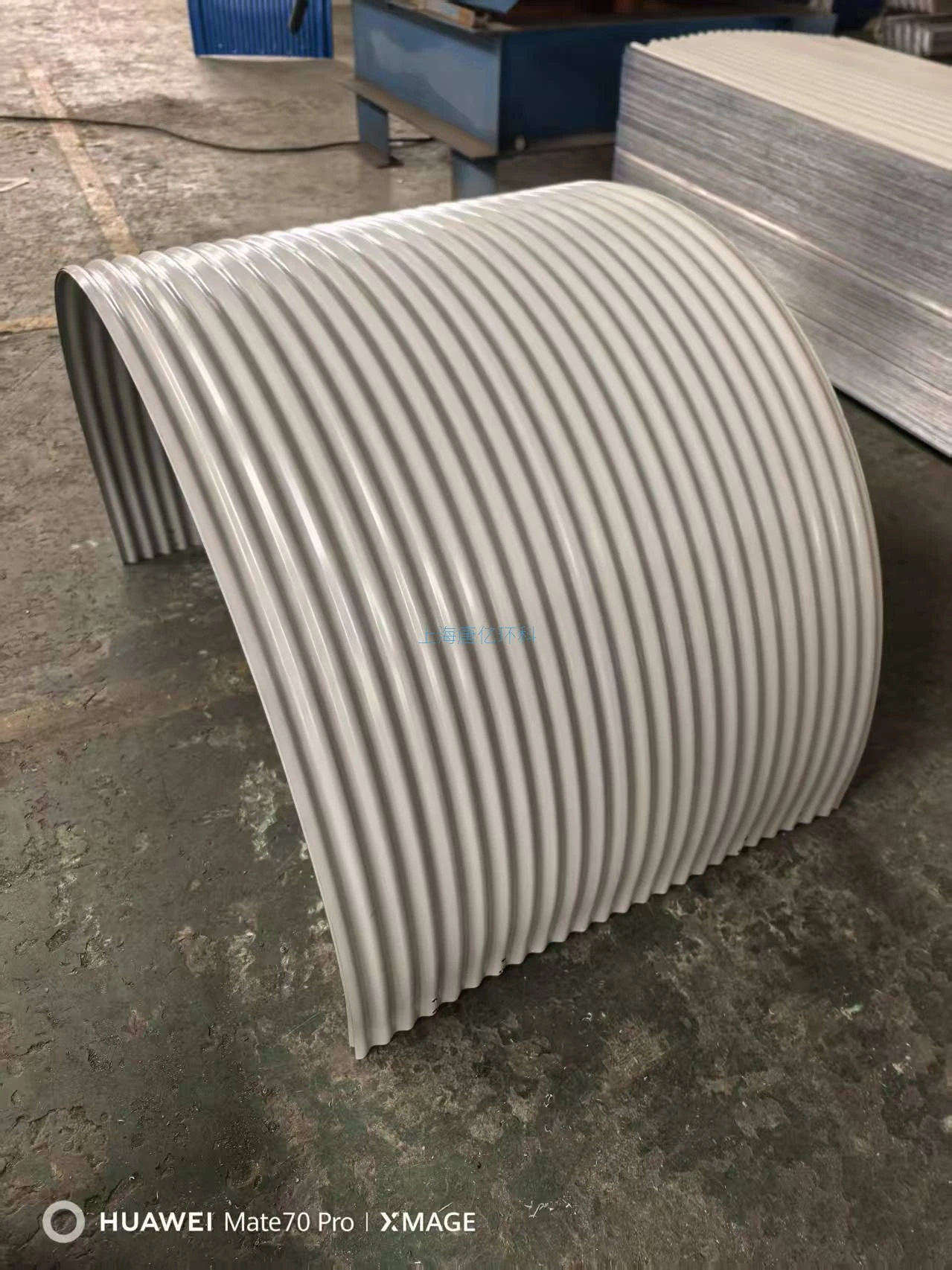
High-Corrosion-Resistant Composite Film Steel Plate
High-Corrosion-Resistant Composite Film Steel Plate
The High-Corrosion-Resistant Composite Film Steel Plate (commonly referred to as “film-laminated steel” or “composite-film color steel”) is a dual-layer protective sheet material produced by thermally bonding a high-density polymeric anti-corrosion film onto a galvanized or aluminum-zinc coated steel substrate at high temperatures. Distinguished by its exceptional corrosion resistance, weatherability, and maintenance-free nature, it serves as a leading alternative solution for applications within severely corrosive environments. I. Basic Structure and Materials
Substrate: High-zinc-coating galvanized steel sheet or Aluminum-Zinc alloy sheet (AZ150), providing structural strength and fundamental rust protection.
Composite Film Layer (Core Anti-Corrosion Layer):
PVDF Fluorocarbon Film: Premium grade; resistant to acids, alkalis, salt spray, and UV radiation; service life of 25+ years.
PET Film: High cost-effectiveness; excellent weather resistance, thermal insulation, and anti-aging properties.
PVC/ASA/TPO Film: Resistant to chemicals and impact; suitable for industrial and agricultural (livestock farming) environments.
Process: High-temperature hot-press lamination; the film forms a chemical bond with the steel sheet, resulting in a solvent-free, bubble-free finish with extremely strong adhesion.
II. Core Performance (Far Superior to Ordinary Color-Coated Steel)
Superior Anti-Corrosion Properties
The dense film layer effectively isolates the substrate from moisture, acids, alkalis, salt spray, and chemical fumes.
Salt Spray Resistance: 6000+ hours with no red rust formation (compared to only 500 hours for ordinary color-coated steel).
Acid/Alkali Resistance: No visible changes after immersion in 5% HCl or NaOH solutions for 24 hours.
The preferred choice for highly corrosive environments such as coastal regions, chemical plants, smelting facilities, and livestock farms.
Ultra-Long Service Life
Designed Service Life: 20–30 years (compared to 5–10 years for ordinary color-coated steel).
Extended maintenance-free intervals, resulting in lower total lifecycle costs.
Weather Resistance and Thermal Insulation
Resistant to UV radiation; does not chalk or fade.
High surface reflectivity reduces roof temperatures by 8–15°C in summer, resulting in significant energy savings.
Processing and Installation
Capable of roll-forming, bending, and curved processing; allows for 0T bending without cracking or peeling of the coating.
Waterproof interlocking/overlapping seams; installation procedures are identical to those for standard color-coated steel, requiring no special techniques.
Environmental Friendliness and Safety
VOC-free; Class B1 fire rating; fully recyclable.
III. Common Specifications
Substrate Thickness: 0.4–1.2 mm (0.6–0.8 mm is most commonly used).
Effective Width: 840 / 900 / 1050 mm (after roll-forming).
Length: Customizable (maximum length subject to specific requirements). 12m
Surface Finishes: Matte, Orange Peel, Embossed, Custom Colors
IV. Applicable Scenarios (Prioritized for High-Corrosion Environments)
Industrial: Chemical plants, smelters, coking plants, power stations, pickling workshops, wastewater treatment plants
Coastal: Ports, wharves, coastal industrial facilities, island structures
Agriculture/Aquaculture: Livestock farming, aquaculture facilities, fermentation workshops (resistant to ammonia gas and manure corrosion)
Architecture: High-speed rail stations, airports, roofing/wall cladding for large-scale venues
Other: Waste incineration plants, electroplating workshops, high-humidity and high-salinity environments
V. Comparison with Standard Color-Coated Steel and Aluminum-Magnesium-Manganese Alloys
Comparison Table
Feature | High-Corrosion-Resistant Composite Film Steel | Standard Color-Coated Steel | Aluminum-Magnesium-Manganese Alloy
Corrosion Resistance | ★★★★★ (Superior) | ★★ (Average) | ★★★★ (Excellent)
Service Life | 20–30 Years | 5–10 Years | 30–50 Years
Price | Mid-to-High | Low | Mid-to-High
Weight | Relatively Heavy | Relatively Heavy | Light (1/3 the weight of steel)
Processability | Good | Good | Excellent (for complex shapes)
Thermal Insulation | Excellent | Average | Average
Maintenance | Minimal | Frequent | Minimal

Belt Misalignment Switch Cover
The belt misalignment guard is specifically designed for installation at locations equipped with belt misalignment switch boxes, pull-cord switches, self-aligning idlers, and belt-pressing rollers.

Inspect the hood.
Inspection Hoods: Inspection hoods are categorized into two types: those featuring a transparent inspection window and those designed to be hinged open. Typically, one set is installed for every 10 or 20 hood positions; the specific quantity is determined based on the owner’s requirements.

Openable/Closable Hood
Openable hoods are classified into fully openable hoods and semi-openable hoods. Fully openable hoods are further subdivided into hinged-type and removable-type variants; different types of openable hoods utilize specific opening and closing mechanisms. Typically, one openable hood unit is installed for every 5, 8, or 10 hood positions; the exact quantity is determined based on specific on-site conditions. Primary Function: To allow for the opening of the hood in order to observe the operational status of the conveyor belt, perform maintenance or repairs on the conveyor system, or replace the conveyor belt.
Fixed Hood
The fixed hood is the most common and widely used type of hood; it is typically installed using hook bolts or self-drilling screws. Once installed, this product is generally not removed, except during belt replacement, idler replacement, or major overhaul.
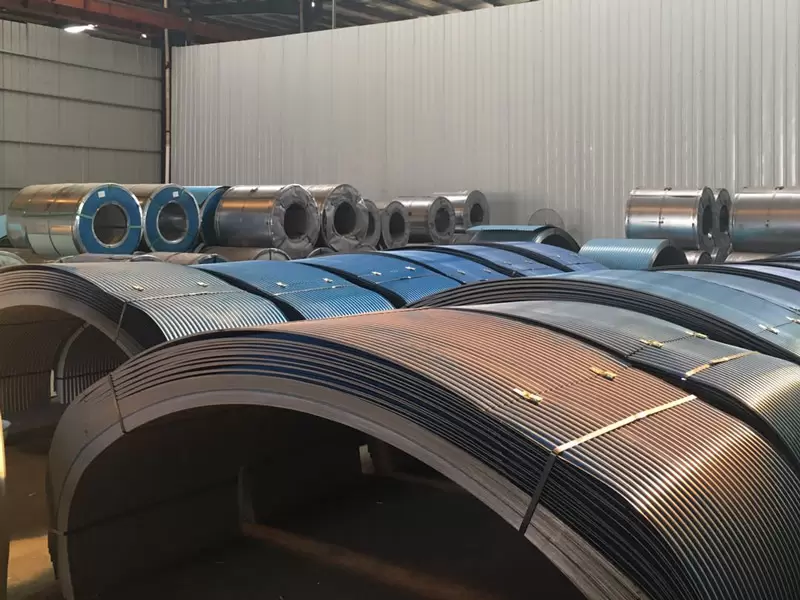
Irregular-Shaped Hood
Irregularly Shaped Hoods
Hoods featuring unique shapes and specialized materials, designed specifically to suit the client’s on-site conditions and meet their specific requirements.
Irregular-Shaped Hood
A machine hood featuring a specialized shape and constructed from specialized materials, designed based on the specific conditions of the client’s site and their unique requirements.
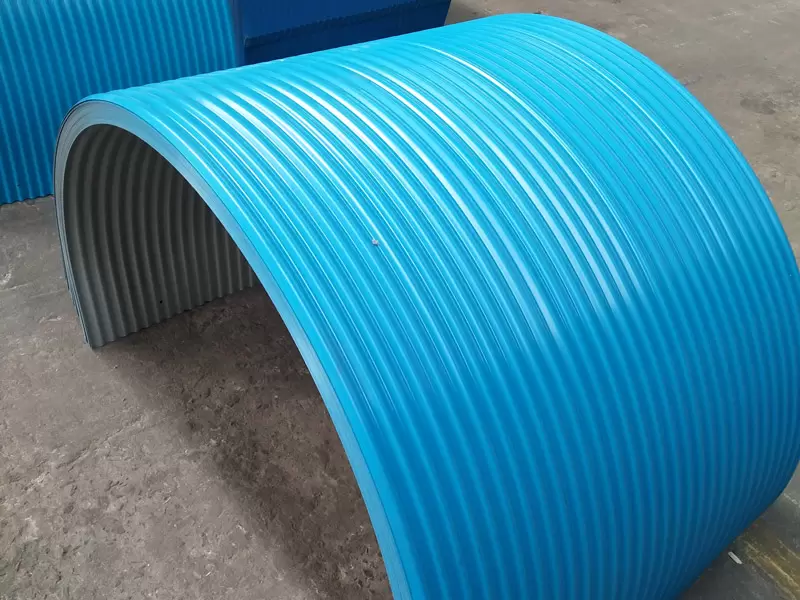
Phthalo Blue Hood
Does your valuable equipment face endless challenges during rainy or dusty seasons? Worry no more—Tangyi introduces our Phthalo Blue Rain- and Dust-Proof Equipment Covers. Versatile in application and robust in performance, these covers are an excellent choice for protecting your equipment.
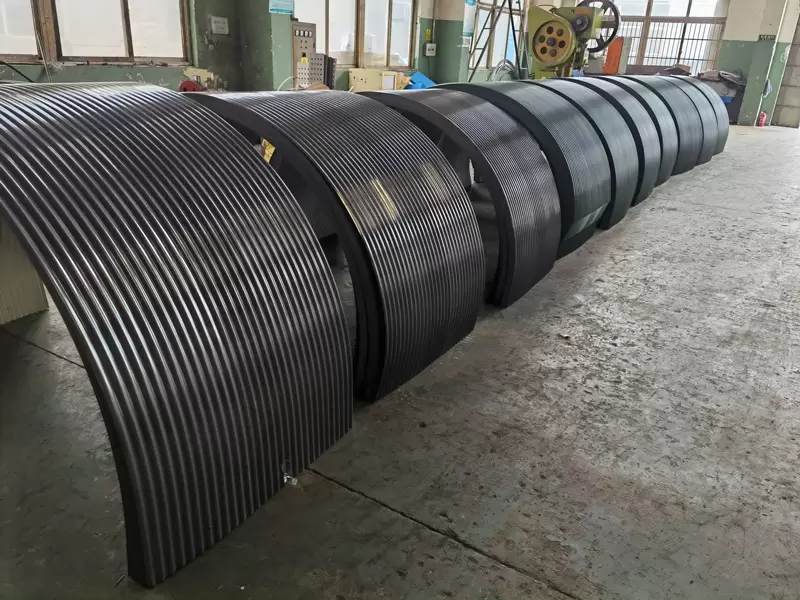
Iron-Gray Hood
Does your valuable equipment face endless challenges during rainy or dusty seasons? Worry no more—Tangyi introduces the Iron-Gray Rain- and Dust-Proof Protective Cover. Versatile and robust, this cover is an excellent choice for safeguarding your equipment.
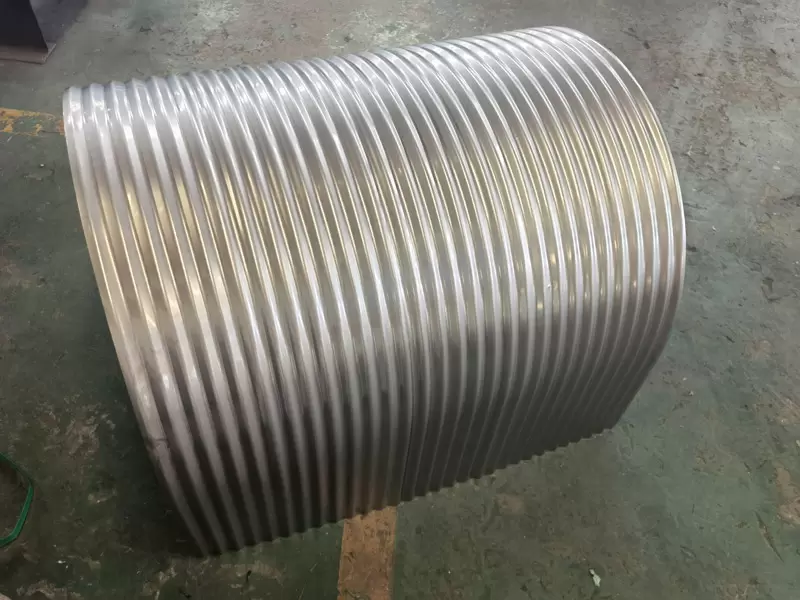
Silver-Gray Unit Configuration
Does your valuable equipment face endless challenges during rainy or dusty seasons? Worry no more—Tangyi introduces our silver-gray rain- and dust-proof equipment cover. Versatile and highly effective, this cover is an excellent choice for protecting your equipment.
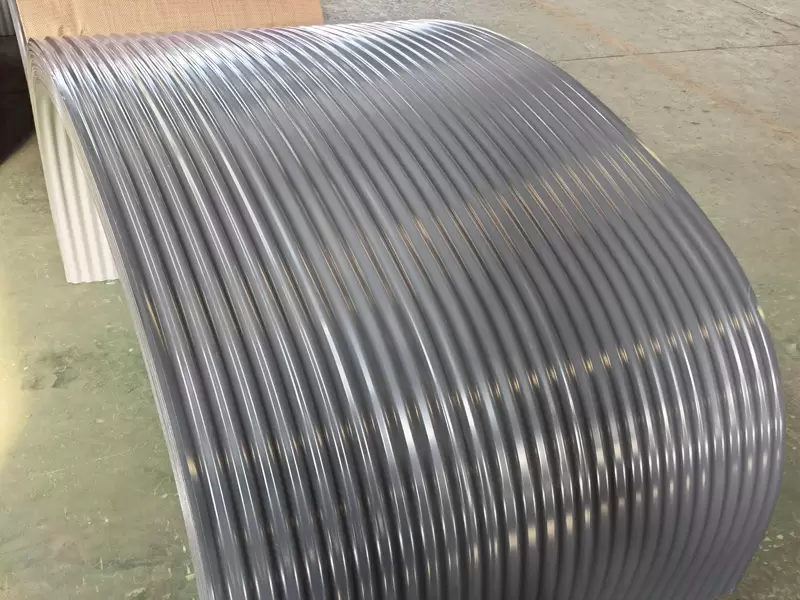
Medium Gray Equipment Cover
Does your valuable equipment face endless challenges during rainy or dusty seasons? Worry no more—Tangyi introduces our medium-gray rain-proof and dust-proof equipment covers. Versatile and highly effective, these covers are an excellent choice for protecting your equipment.
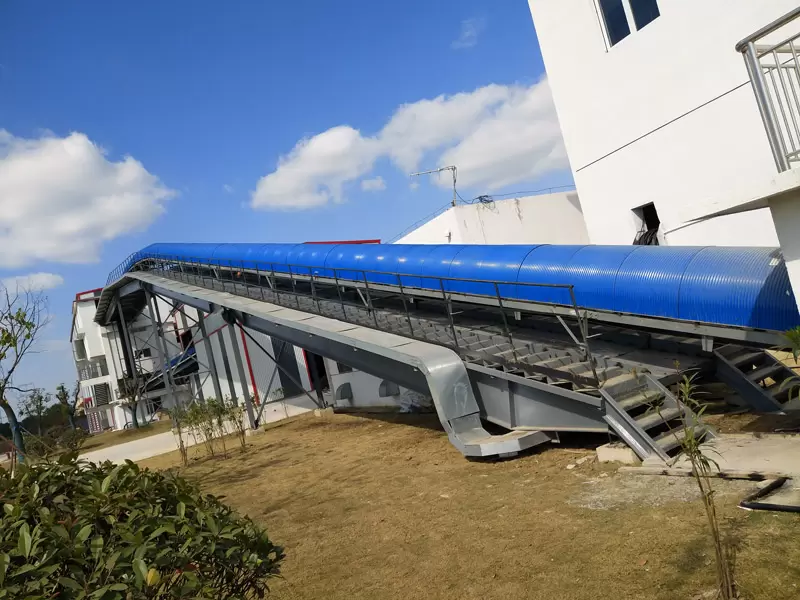
Conveyor Hoods for the Municipal Waste Industry
Tangyi specializes in providing high-quality conveyor covers for various industries. As a vital piece of protective equipment, conveyor covers play a crucial role during the transportation process.
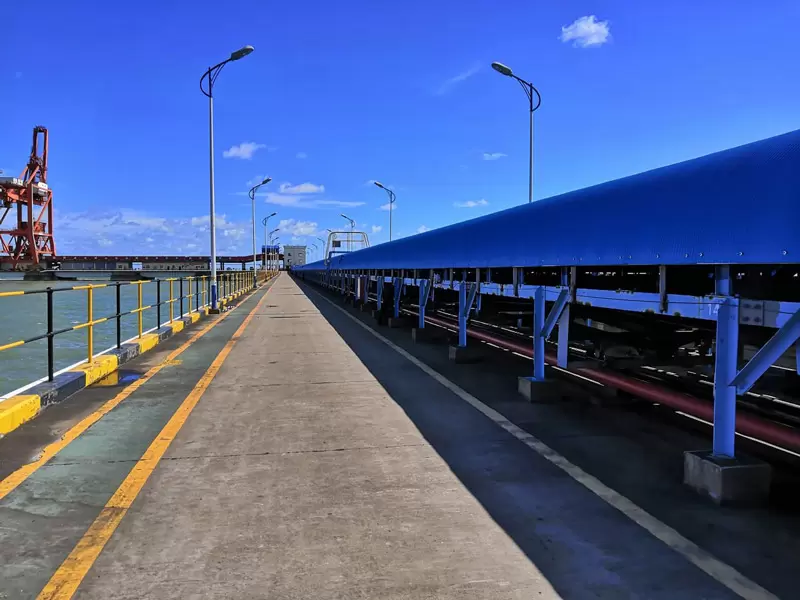
Power Industry Conveyor Hoods
Tangyi specializes in providing high-quality conveyor covers for various industries. As a vital piece of protective equipment, conveyor covers play a crucial role during the transportation process.

ABOUT US
20+
Many years of
manufacturingexperience
200+
Brands
50+
products
Engineering Case
large.meeting the needs of your customized projects


Chemical
Industry
Iron and Steel
Industry
Ther
Industry
WHY CHOOSE US
deliver them anywhere in theworld
Corporate strength
Focused on designing andmanufacturingconveyor covers for 20 years
Core product
Multi-spec rainproof/dustproof cover.suitable for industries such asmining.electricity. steel, and cement
Cooperative market
Cooperated with several well-knownmachinery companies athome and abroad
Development concept
One of the world’s mostprofessionalmanufacturers of conveyorprotection products
NEWS
share Inlarmation in a timely manner
Shanghai Tangyi Takes You on an In-Depth Exploration of Color Steel Rain Covers!
For fixed conveyor systems, the framework for the color-coated steel rain covers consists of connecting angle steel or Z-shaped steel sections; their length corresponds to the assembly length of the conveyor cover sections. These connecting angle steel or Z-shaped steel sections are welded onto the channel steel or smaller angle steel members located on both sides of the conveyor frame. If supporting angle steel members are required for assembly, they must first be welded to the sides of the conveyor frame; the connecting angle steel or Z-shaped steel sections are then welded onto these supporting members (actual assembly procedures should strictly follow the engineering drawings).
The color-coated steel rain covers are assembled sequentially across the conveyor frame, proceeding from one side to the other in an interlocking, staggered pattern. During installation, personnel must not sit on the rain covers, nor should the covers be subjected to violent impacts or hammering. The rain covers are secured to the connecting angle steel or Z-shaped steel framework using screws, with each cover section requiring a minimum of four fastening points. For ease of maintenance and inspection, an observation-type rain cover may be installed every ten sections. “Hinge-point covers” are specifically designed for the transition points within the convex curved sections of the conveyor belt, while “belt-deviation switch covers” are designed to enclose the belt-deviation switches. Both of these specialized covers are installed atop the standard fixed rain cover sections. Applications and Installation of Color-Coated Steel Rain Covers: Color-coated steel rain covers are typically suitable for conveyor belts with widths ranging from B500 to B3000. However, the covers can be custom-manufactured in unique shapes and dimensions to meet specific client requirements; the aforementioned range is not a fixed, absolute limit. The sheet thickness of color-coated steel rain covers typically ranges from 0.45 mm to 0.8 mm, and the primary raw materials utilized in their manufacture include color-coated steel sheets, galvanized steel sheets, and stainless steel sheets. Definition of Color-Coated Steel Rain Covers: These are protective enclosures installed over conveyor belts to provide waterproofing and to facilitate long-distance belt alignment and correction. Rain covers play a crucial role in protecting both the conveyed materials and the surrounding environment; during the material handling process, they help minimize product loss and waste, thereby enhancing the operational reliability of the conveyor belt system and extending the overall service life of the conveyor equipment. Application Sectors for Color-Coated Steel Rain Covers: These rain covers are widely utilized in various industrial settings, including power plants, cement factories, smelting plants, manufacturing facilities, coal mines, seaports and docks, ferry terminals, and mining operations. Shanghai Tangyi Materials Co., Ltd. is a comprehensive enterprise integrating design, production, and sales. Our product portfolio includes conveyor rain covers, color-coated steel rain covers, floor decking sheets, and CVZ-profile steel. Currently, the company focuses primarily on the design and manufacture of conveyor rain covers and color-coated steel rain covers. We possess robust technical capabilities and are supported by a large team of highly skilled research and technical personnel. Our color-coated steel conveyor rain covers are ideally suited for use in power plants, cement factories, coal mines, chemical plants, and other major industrial and mining enterprises to provide protection against rain, dust, wind, and sunlight. By ensuring safer operation, these covers extend the service life of both the conveyor system and the conveyor belt, thereby reducing maintenance costs and minimizing material loss during transport. Furthermore, they play a significant role in environmental purification. As a superior alternative to traditional plastic-steel conveyor rain covers, our products have garnered widespread popularity and acclaim among our clientele.

Shanghai Tangyi Company has successfully completed the order for conveyor covers for the Shankuang Group’s Indonesia project.
On June 2, 2020, upon receiving a customer order, Shanghai Tangyi Company successfully completed the order for conveyor covers for the Shankuang Group’s project in Indonesia within five days—on schedule and in full quantity. The goods were subsequently packed and delivered to the port in strict accordance with the customer’s requirements. Our customers’ requirements serve as our driving force.


When purchasing conveyor rain covers, what product specifications should be clearly communicated to the manufacturer?
In environments such as coal yards, power plants, and chemical facilities, belt conveyors are utilized to transport materials. In such settings, the protective shielding provided by conveyor rain covers is indispensable. Therefore, when purchasing conveyor rain covers, what specific product specifications should be thoroughly discussed and confirmed with the manufacturer? Below, Tangyi guides you through the key product data points that require careful verification:
I. Since different models of belt conveyors require rain covers of varying dimensions, it is imperative to clearly specify the exact model and size requirements when making a purchase. These specific data points must be thoroughly confirmed with the manufacturer to ensure compatibility.
II. Verify that the manufacturing material of the rain cover aligns with your operational requirements. To maximize the product’s service life, it is recommended to select rain covers constructed from Fiberglass Reinforced Plastic (FRP). This material offers superior resistance to rust and corrosion during operation, thereby ensuring a significantly longer service life.
III. Confirm the precise length, width, and height dimensions of the rain cover. Establishing these dimensions is essential to ensure that the cover can be properly and securely installed onto the conveyor system. Furthermore, accurately determining the height of the rain cover is critical for verifying that materials can pass underneath it without obstruction during transport, thereby preventing any potential collisions between the conveyed goods and the rain cover itself.

In summary, when purchasing conveyor rain covers, it is essential to confirm with the manufacturer the specific materials used for their construction, as well as key dimensions such as length, width, and height. Tangyi has been engaged in the manufacturing of conveyor rain covers for many years; should you have any requirements, please feel free to contact us directly at 021-57461071.

15th Shipment of Conveyor Rain Covers for Guangdong Steel Plant Successfully Dispatched — Shanghai Tangyi Company
With the recent days bathed in bright sunshine—adding a touch of warmth to Shanghai as the cold season sets in—work is proceeding in full swing at Shanghai Tangyi Company on the production of conveyor rain covers for a steel plant in Guangdong; amidst this bustling activity, the fifteenth shipment of goods has successfully departed.


Shanghai Tangyi Environmental Protection Technology Co., Ltd. — Rain Cover
Rain covers are also referred to as protective covers, color-coated steel covers, conveyor rain covers, conveyor dust covers, belt conveyor covers, and similar terms. These covers are primarily utilized in power plants, cement factories, steelworks, chemical plants, coal mines, ports, docks, mining enterprises, and similar industrial settings. Rain covers play a vital role in protecting both the transported cargo and the surrounding environment; during the conveying process, they significantly reduce material loss and waste while ensuring safer and more reliable operation of the conveyor belt. Furthermore, they effectively extend the service life of the conveyor system itself.
- Styles
Rain covers are available in three main styles: fixed, openable, and those featuring observation windows. The observation-window style allows for clear visual monitoring of the cargo during transit and enables operators to verify that the conveyor belt is running normally. Additionally, there are “belt-deviation covers,” which provide rain and dust protection specifically for conveyors equipped with belt-deviation switches. The primary color options for these rain covers include marine blue, light gray, and red.
- Advantages of Rain Covers
Six Key Features
I. Among the four available forms of conveyor covers, both the fixed covers and the openable covers are fabricated from galvanized corrugated steel sheets or color-coated steel sheets. Typically, for every ten cover sections, a configuration of nine fixed covers and one openable cover is adopted; alternatively, the two types of covers may be arranged in an alternating pattern. During installation, the openable cover is positioned to overlap the two adjacent fixed covers on its left and right sides, with an overlap length equivalent to one or two corrugation pitches. It is crucial to ensure that the hinged side of the openable cover is positioned on the non-walkway side of the conveyor, while the side featuring the latch mechanism is positioned on the walkway side.
II. The structural framework (skeleton) for the fixed conveyor covers consists of connecting angle steel or Z-beams, the length of which corresponds precisely to the installation length of the conveyor cover section. These connecting angle steels or Z-beams are welded directly onto the channel beams or smaller angle steels located on both sides of the conveyor frame. In instances where supporting angle steels are required for additional reinforcement, these supports are first welded to the sides of the conveyor frame, after which the connecting angle steels or Z-beams are welded onto the supporting angle steels. III. Install the rain covers from one end of the conveyor frame to the other in a staggered (“pin”-shaped) pattern. During installation, standing on the rain covers is strictly prohibited; do not subject them to forceful impact or hammering.
IV. Secure the rain covers to the connecting angle steel or Z-beams using self-tapping screws, ensuring a minimum of four fastening points per cover sheet.
V. An inspection-type rain cover may be installed every 10 sheets to facilitate maintenance and visual inspection.
VI. Hinge-point covers are designed exclusively for use at the hinge points within the convex arc sections of the conveyor; conversely, belt-misalignment switch covers are specifically designed to enclose the misalignment switches. Both types are installed over the standard fixed rain covers.
2.1 Features of the Rain Covers
- The rain cover sheets feature a “Model 900” small-corrugation profile; after accounting for overlaps, the effective coverage width reaches 900 mm.
- These rain covers are suitable for conveyor belts ranging in width from B500 to B3000; custom-shaped rain covers can also be manufactured to meet specific client requirements.
- The rain covers are fabricated from colored steel plate, galvanized steel plate, or stainless steel plate, with a material thickness ranging from 0.45 mm to 0.8 mm.
- The effective coverage width of these rain covers exceeds that of comparable products in the industry by 40 mm to 60 mm.

Installation Method for Color Steel Rain Covers
Color Steel Rain Covers:
These covers are manufactured by rolling color-coated steel sheets into a corrugated profile (forming “color steel tiles”), which are then curved into an arched shape. Installed over belt conveyor systems, they serve to protect the conveyor equipment itself, thereby extending its service life, reducing maintenance costs, and enhancing economic efficiency. Furthermore, they prevent the dispersion of dust during material transport, thereby mitigating environmental pollution. For color steel rain covers, choose Shanghai Tangyi—a manufacturer backed by 15 years of experience and substantial technical strength.
These covers are formed by pressing color-coated steel sheets. The coating material typically consists of cold-rolled or galvanized steel substrates that undergo chemical surface treatment, followed by the application of a coating (via roller coating) or the lamination of a composite film (such as PVC). The material is then cured through baking to produce the final product. This product is also commonly referred to as “pre-painted color steel sheet” or “plastic-coated color steel sheet.”
The Function of Color Steel Rain Covers: Color steel rain covers serve a dual purpose, benefiting both the transported cargo and the surrounding environment. During the transport process, they help minimize cargo loss and waste. Additionally, they play a crucial role in extending the operational lifespan of the conveyor belt and the entire conveyor system.
Color Steel Rain Covers | Conveyor Rain Covers | Rain Covers | Fixed-Type Rain Covers | Rain Cover Manufacturer: Choose Shanghai Tangyi—specializing in rain cover solutions with 15 years of dedicated experience.
Installation Steps for Color Steel Rain Covers:
- Preparation of Tools and Materials: Ensure that the appropriate rain covers and the necessary fastening materials (for securing the covers) are ready.
- Safety Precautions: Implement all necessary safety measures and securely fasten your safety harness in preparation for the installation work.
- Positioning and Securing: Carefully place the selected rain cover over the designated equipment (e.g., a relay unit), adjusting its position to completely enclose the device. Inspect the cover to identify any potential entry points for water ingress. Once the positioning is finalized and it has been verified that no water can enter, use binding straps or other sturdy ropes to firmly secure the cover in place; this prevents the cover from dislodging on its own and ensures it remains effective.
- Working at Heights: Since the installation of rain covers often requires climbing onto structures (such as transformers), it is imperative to keep your safety harness securely fastened throughout the installation process to prevent falls from heights.
- Final Verification: Upon completion of the installation, conduct a thorough inspection to confirm that the rain cover is securely and firmly attached.
- Site Cleanup: Tidy up the work area, gather all tools, and vacate the work site.

Our Partner
A camprehensive campany integratingdesign, production, and sales


