
Stainless Steel Plate
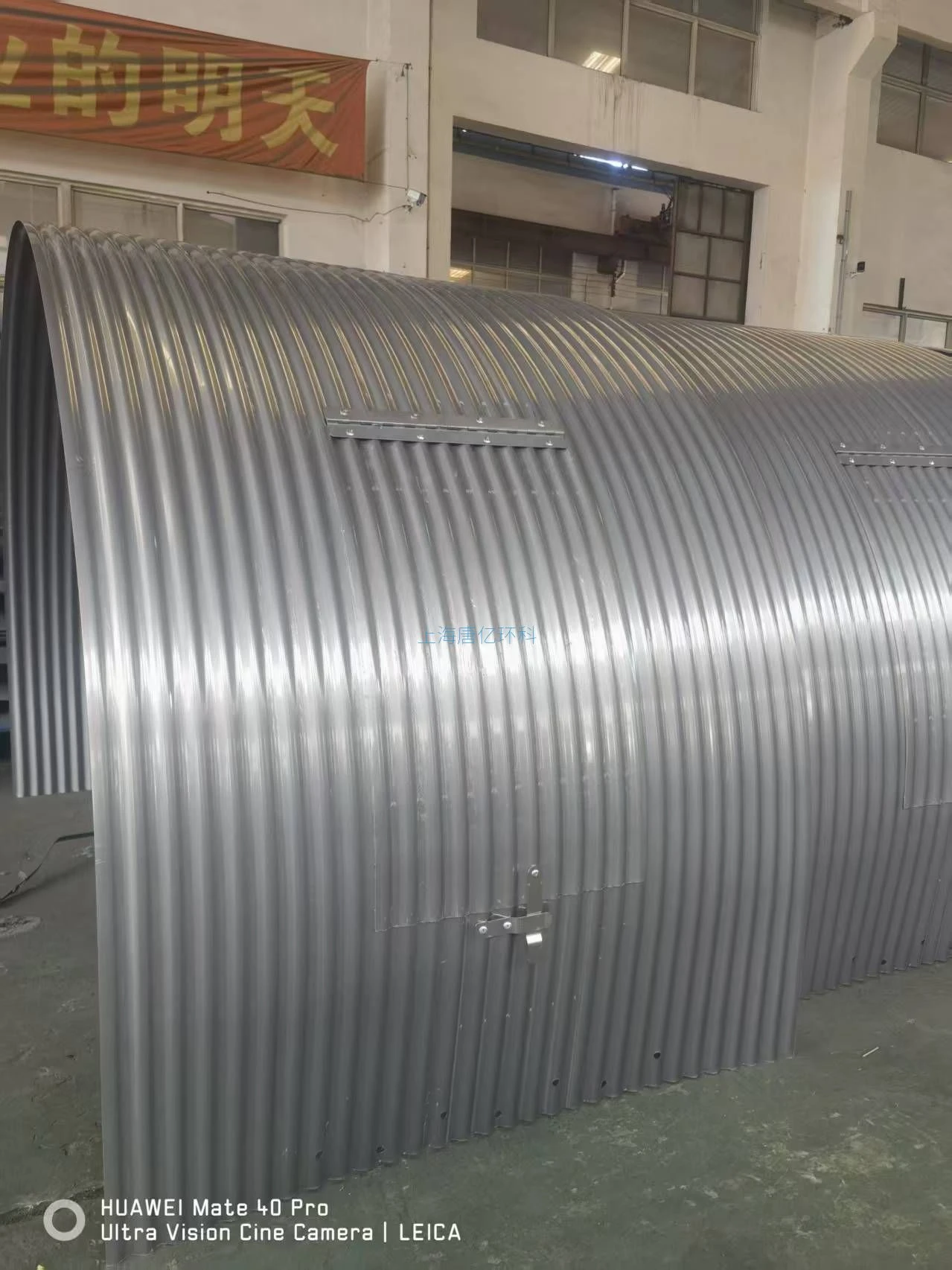
Stainless Steel Sheets
Grades 201 and 304 are currently the most widely used and common types of stainless steel sheets. The core differences between them boil down to just two points: rust resistance and price. Below, I will explain this to you in the most straightforward and practical manner possible. I. 201 Stainless Steel Sheet
Full Name: Cr-Mn-N Series Stainless Steel
Main Composition: 17% Chromium + Manganese, Nitrogen; contains almost no Nickel.
Appearance: Bright finish, but slightly darker and with a cooler white tone; visually, it is very difficult to distinguish from 304 with the naked eye.
Magnetism: Exhibits weak magnetism; a magnet will adhere slightly.
Characteristics
Advantages
Affordable price; significantly cheaper than 304.
High strength and high hardness.
Sufficiently robust for use in decorative applications and interior structural components.
Disadvantages
Poor rust resistance; prone to rusting quickly in humid, coastal, or acidic/alkaline environments.
Corrosion resistance is far inferior to that of 304.
Prone to developing yellow spots and rust specks.
Suitable Applications
Interior decoration, door frames, handrails.
Equipment casings and shelving in dry environments.
Standard furniture, advertising lettering, interior hardware.
Unsuitable for: Kitchens, outdoor use, coastal areas, or food contact applications.
II. 304 Stainless Steel Sheet
Standard Grade: 06Cr19Ni10 (National Standard) / AISI 304
Composition: 18% Chromium + 8% Nickel (Chromium-Nickel Stainless Steel)
Appearance: Bright and lustrous with a warm tone; offers a superior texture and finish.
Magnetism: Essentially non-magnetic; a magnet will not adhere, or adhesion will be extremely weak.
Characteristics
Advantages
Strong rust and corrosion resistance.
Suitable for both indoor and outdoor use; resistant to humidity as well as weak acids and bases.
Food-grade safe; suitable for contact with tableware and drinking water systems.
Long service life; highly resistant to rusting.
Disadvantages
Contains Nickel; significantly more expensive than 201.
Suitable Applications
Kitchen equipment, cookware, sinks.
Outdoor railings, awnings, outdoor signage.
Food processing machinery, drinking water equipment.
Chemical processing environments, humid areas, and mildly corrosive settings.
Coastal regions (subject to mild salt spray).
III. The Most Intuitive Comparison (At a Glance)
Comparison Table
Feature | 201 | 304
Rust Resistance | Poor; prone to rusting | Good; durable and rust-resistant
Nickel Content | Almost none | Contains 8% Nickel
Price | Affordable | Relatively expensive
Humidity Resistance | Poor | Good
Outdoor / Coastal Use | Not recommended | Recommended
Food Contact | Unsuitable | Safe for use
Magnetism | Weakly magnetic | Non-magnetic Slightly magnetic Essentially non-magnetic
IV. Simplest Identification Methods (No Instruments Required)
Check the Price: Expensive items are highly likely to be 304; inexpensive ones are almost certainly 201.
Magnet Test: If it attracts a magnet, it is 201; if it does not, it is 304 (for preliminary assessment only).
Environmental Testing:
Exposure to Outdoor Rain:
201: Will rust within a few days to a few weeks.
304: Will remain rust-free over the long term.
Professional Method: Use stainless steel testing solution (turns red upon application = 201; remains unchanged = 304).
V. How to Choose?
Indoor, dry environment; limited budget; no contact with water → Choose 201.
Kitchens, outdoors, coastal areas, food-related applications, or long-term use → Must choose 304.