
Hot-Dip Galvanized, Aluminum-Zinc Coated, and Zinc-Aluminum-Magnesium Coated Steel Sheets
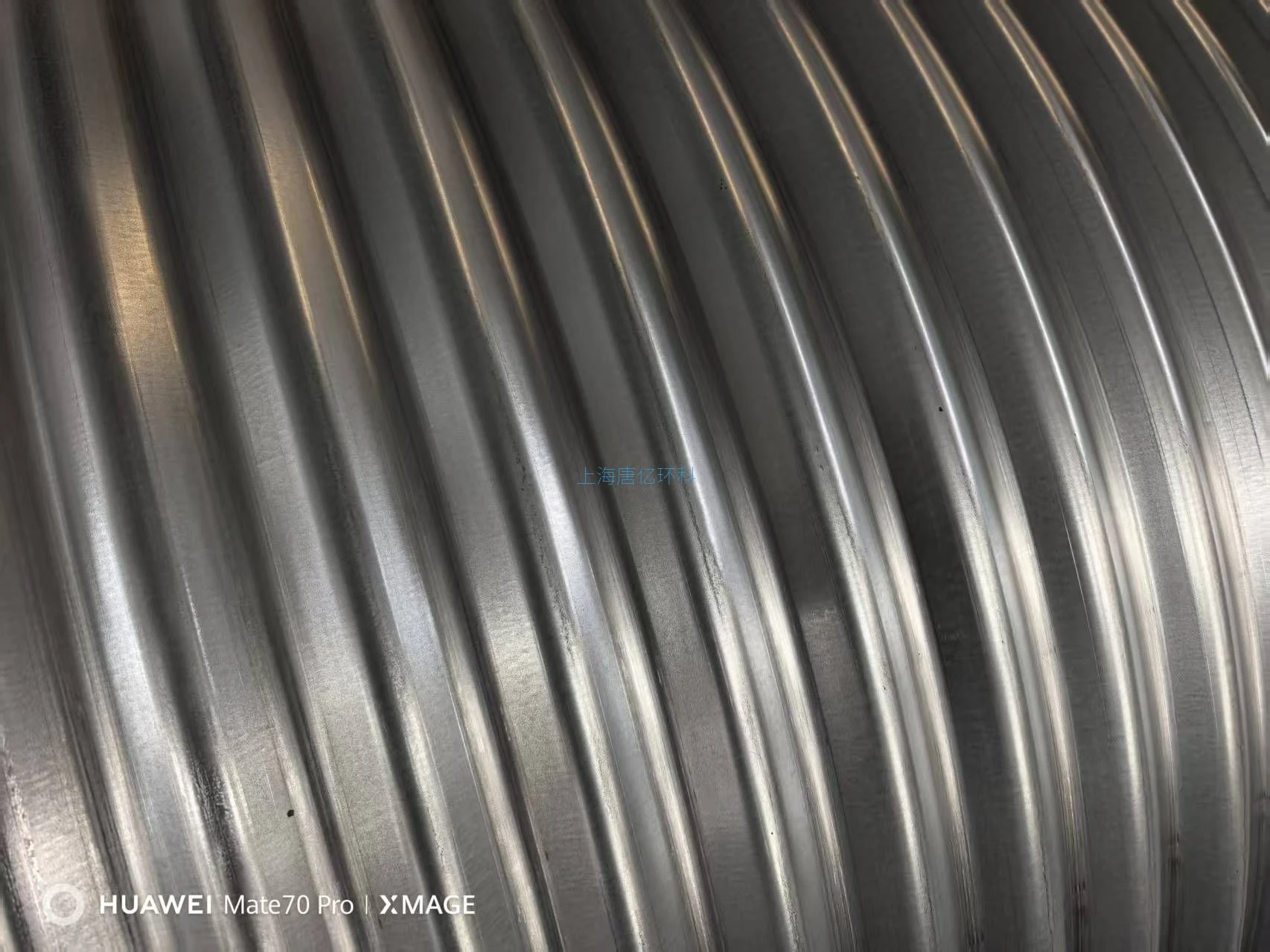
Hot-Dip Galvanized, Galvalume (Al-Zn), and Zinc-Aluminum-Magnesium Steel Sheets
Hot-Dip Galvanized (GI), Galvalume (GL), and Zinc-Aluminum-Magnesium (ZAM) represent the current mainstream hot-dip anti-corrosion steel sheets. Their core difference lies in the composition of their coatings, which determines their corrosion resistance, self-healing capabilities, cost, and applicable scenarios.
I. Core Introduction to the Three Types of Steel Sheets
1. Hot-Dip Galvanized Steel Sheet (GI, Pure Zinc Coating)
Coating Composition: Pure zinc (Zn ≥ 99.9%), applied via a hot-dip process.
Appearance: Silvery-white; features large, coarse zinc spangles; prone to developing “white rust.”
Anti-Corrosion Principle: Zinc acts as a sacrificial anode to protect the steel sheet; corrosion is delayed through the gradual consumption of the zinc layer.
Core Performance
Corrosion Resistance: Withstands approximately 500–1000 hours in salt spray tests; expected service life in standard environments is 5–10 years.
Processing: Exhibits good ductility, is easy to weld, and offers the lowest cost among the three.
Disadvantages: Cut edges and scratches are prone to rusting; lacks self-healing properties; has a shorter service life in humid or salt-spray environments.
Applicable Scenarios: Dry indoor environments, short-term outdoor applications, general construction, internal components of home appliances, and projects with limited budgets.
For outdoor use, a zinc coating weight of ≥ 200 g/m² is recommended.
2. Galvalume Steel Sheet (GL, 55% Aluminum-Zinc Alloy)
Coating Composition: 55% Aluminum + 43.5% Zinc + 1.5% Silicon, applied via hot-dip process.
Appearance: Light silvery-gray; features fine, uniform zinc spangles; possesses a soft, matte luster.
Anti-Corrosion Principle: Aluminum forms a dense oxide film that acts as a barrier against corrosion, while zinc provides a secondary layer of protection through sacrificial anodization.
Core Performance
Corrosion Resistance: Withstands 2000–3000 hours in salt spray tests (2 to 6 times longer than hot-dip galvanized steel); expected service life in standard environments is 15–30 years.
High-Temperature Resistance: Capable of withstanding temperatures up to 315°C; demonstrates strong resistance to atmospheric corrosion and humidity.
Disadvantages: Offers weak protection at cut edges; weldability is average; exhibits poor resistance to alkaline substances.
Applicable Scenarios: General outdoor construction, industrial plant buildings, home appliance casings, and general industrial environments.
For outdoor use, a zinc coating weight of ≥ 200 g/m² is recommended. 3. Zinc-Aluminum-Magnesium Coated Steel (ZAM; Ternary Zn-Al-Mg Alloy)
Coating Composition: Mainstream 91% Zinc + 6% Aluminum + 3% Magnesium (High-magnesium versions contain 5%–6% Mg); utilizes an upgraded hot-dip coating process.
Appearance: Matte silver-gray finish with no visible spangles (zinc crystals), offering a premium aesthetic.
Corrosion Protection Mechanism: Combines zinc’s sacrificial anode effect, aluminum’s barrier effect, and magnesium’s role in promoting the formation of a dense, composite passivation film; features self-healing capabilities for cut edges and scratches.
Core Performance
Corrosion Resistance: Withstands 5,000–8,000 hours in salt spray testing—5 to 20 times the resistance of standard hot-dip galvanized steel—offering a service life of 25+ years in harsh environments.
Self-Healing: Automatically forms a protective film at cut edges or damaged areas, preventing the spread of rust and corrosion.
Processability: Resists cracking during bending or stamping; exhibits strong coating adhesion and excellent weldability.
Disadvantages: Highest cost among the options.
Applicable Scenarios: Marine/coastal environments, areas with industrial pollution, high-humidity conditions, high-salt-spray environments, photovoltaic mounting systems, livestock farming facilities, and long-term maintenance-free engineering projects.
For outdoor applications, a zinc coating weight of ≥150 g/m² is recommended.
II. Core Performance Comparison (At a Glance)
Table
Comparison Item | Hot-Dip Galvanized (GI) | Galvalume (GL) | Zinc-Aluminum-Magnesium (ZAM)
Coating Composition | Pure Zinc (≥99.9%) | 55% Al + 43.5% Zn + 1.5% Si | 91% Zn + 6% Al + 3% Mg (Mainstream)
Salt Spray Lifetime | 500–1,000 hours | 2,000–3,000 hours | 5,000–8,000+ hours
Corrosion Resistance Factor | 1x | 2–6x | 5–20x
Self-Healing Capability | None | Weak | Strong (Self-healing at cut edges/scratches)
High-Temperature Resistance | 200°C | 315°C | 300°C
Weldability | Good | Fair | Good
Cost | Lowest | Medium | Highest
Typical Service Life | 5–10 years | 15–30 years | 25–40 years